Touring Uluru: A Journey to the Heart of Australia
Hello there, adventurers! Situated in the Northern Territory’s heart, Uluru is not just an iconic rock formation; it is an intricate masterpiece of Indigenous culture and nature. It is also referred to as Ayers Rock and acts as a focal point for the immense desert refuge expanse of Central Australia. Not only does going there allow you to see one of the world’s most stunning sights, but it also offers an opportunity to feel a powerful cultural connection with those who own that land traditionally. From what Uluru stands for in Aboriginal thinking and when to visit, this article covers everything you need, including how to find somewhere to rest when it’s time to retire after a typical day in the Aussie outback.
Uluru and Its Significance
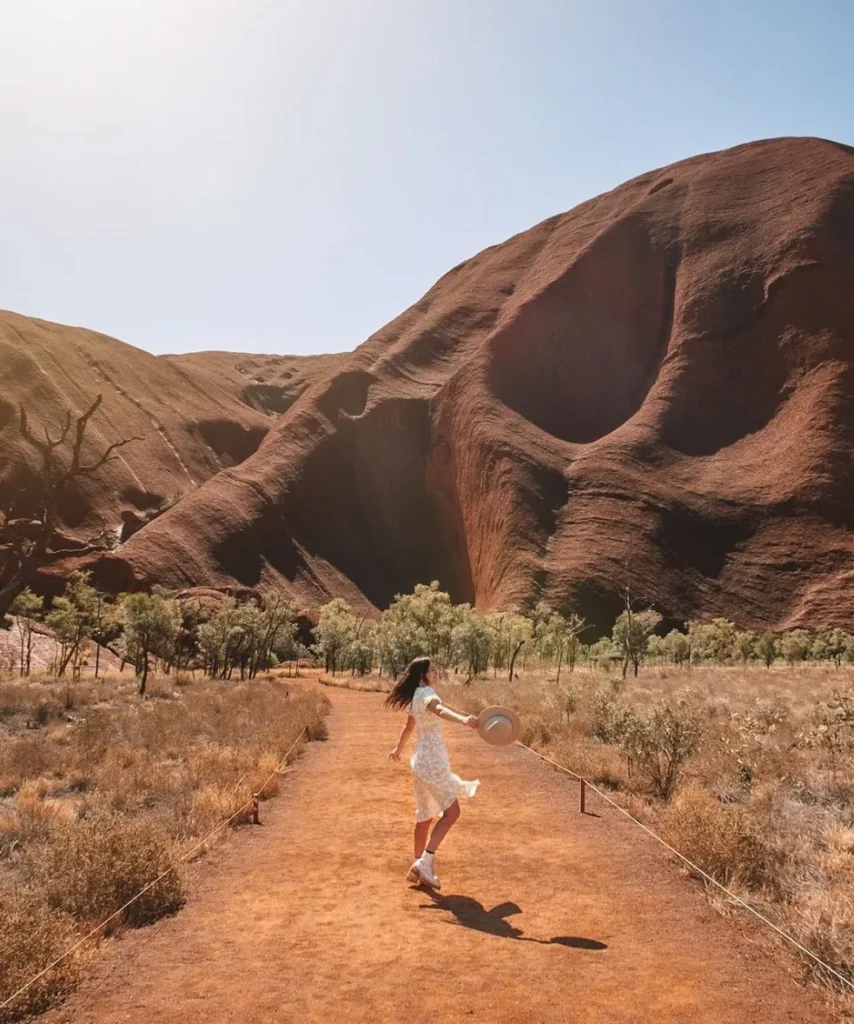
Uluru represents native Australian heritage, which is enormously respected by indigenous aboriginal people. This beautiful mountain-like stone structure is not only nature’s wonder but also a sacred place with rich legends passed through generations over many years. The traditional owners interpret their customs through guided cultural Uluru tours so that guests can appreciate why Uluru means more than just a photogenic background.

Looking deeper into its cultural effect, I see that these rock formations, along with surrounding landscapes, are steeped in Aboriginal creation stories, which are called Tjukurpa. These tales do not just belong to history but are still told and shape the lives of indigenous people every day. Engaging with this ancient culture provides us with the privilege of learning about one of the planet’s oldest continuing traditional cultures while every journey made here remains remarkable forever.
What Makes Uluru Special?
The mystique surrounding Uluru doesn’t lie solely in its huge size or geological significance. Throughout its journey across the Australian sky, it becomes transformed by lovely lights and shades as if by magic. The moments of sunrise and sunset are particularly mesmerizing as they give rise to multi-coloured facades – from deep brown to bright orange and fiery red. A lot of tourists come from different parts of the planet hoping to see the famous phenomenon of coloured lights created by this stone.

Apart from that, there are other stunning areas close to Uluru, including Kata Tjuta and Kings Canyon, with equally impressive landscapes teeming with wildlife. The plants and bird species that flourish in these inhospitable surroundings can be seen at any time throughout the year in the Uluru Kata Tjuta National Park. No matter if you are at the Talinguru Nyakunytjaku viewing area watching the dawn rise or wandering around beautiful dune fields nearby, every second spent here resembles a page torn out of an ancient book painted against an Australian desert backdrop.

Best Time to Visit Uluru
When planning your visit to this iconic monolith, timing is everything. The best weather for exploring is found during the cooler months which run from May through September. During these winter months, day-time temperatures are comfortable whereas nights get cold thus creating a perfect climate for undertaking hikes and engaging in outdoor activities without experiencing too much heat that is associated with summer months.
On top of making your journey more comfortable, visiting during such a period ensures that you participate in cultural events, sometimes scheduled according to what is most popular at that time. For example, if you happen to be visiting Uluru within these cooler months, then you could use this opportunity to experience things like riding on camels or segways as well as observing an exhibition on Field of Lights established by British artist Bruce Munro.
How Long Should You Stay at Uluru?
A minimum of three days is recommended so that one can take in everything the area has to offer. With this length of time, you will be able to go through the magnificent natural beauty and cultural value of Uluru and its environs. This is a quick breakdown to help you plan:
Day 1: Start off with a walk around the base of Uluru, accompanied by Anangu guides who will tell you about local plant life, animals and Aboriginal rock art. Do not miss out on sunset viewing, as it makes the entire rock change into a breathtaking yellowish red.
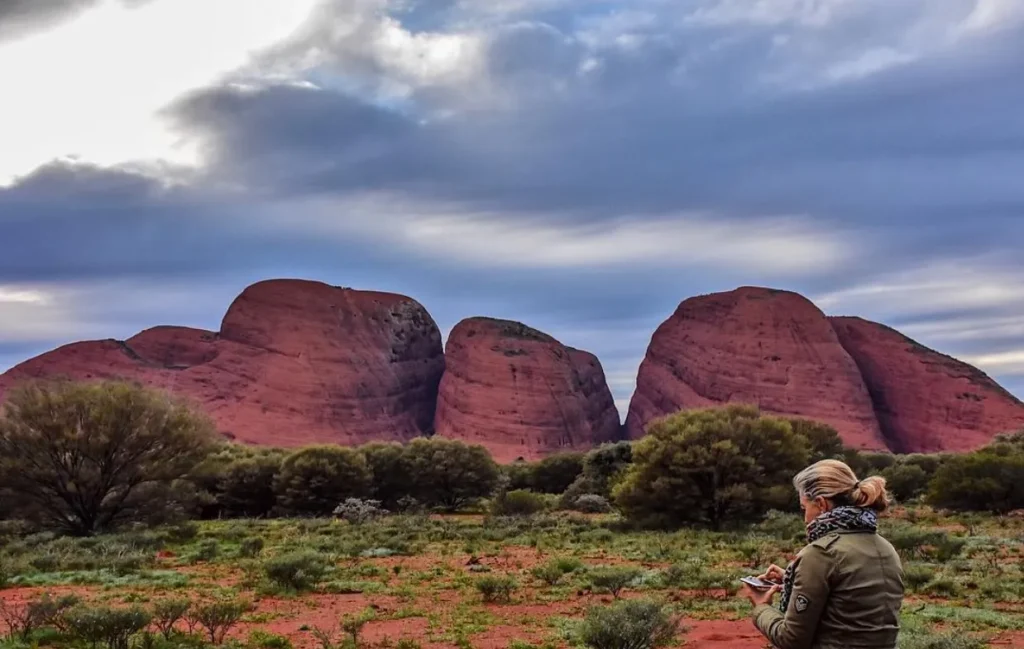
Day 2: Drive to Kata Tjuta or The Olgas for hiking. One such adventure is Valley of Winds, which provides visitors with spectacular views but requires a lot of effort.
What else should I see or do around Uluru?
This red desert surrounding Ayers Rock may be famous but it also has lots of fun activities reflecting both modernity and tradition that one can engage him or herself into. There are numerous unforgettable experiences tailored for every type of traveller, be it a thrill seeker or somebody who prefers serene walks.
Adventure and Exploration
If you are looking for a combination of adventure and amazing views, here are some top tips:
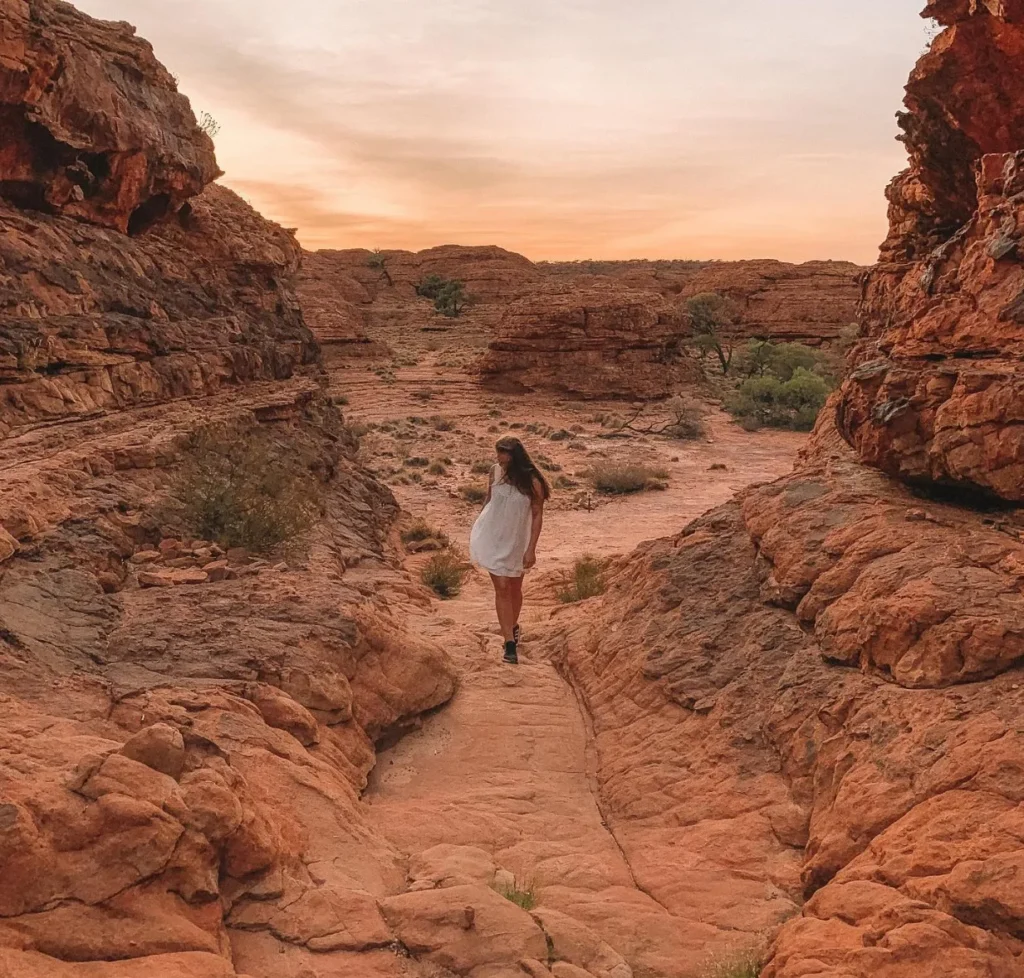
Kings Canyon: This is one of the most spectacular hikes in the whole of the Australian outback. Visitors to this national park are highly encouraged to complete the Kings Canyon Rim Walk. The hike has incredible views over the canyon floor to the surrounding desert. It is recommended that visitors start very early in the morning to catch shadows that fall on these walls at sunrise as well as beautiful light-up pink rocks with a supernatural cast.
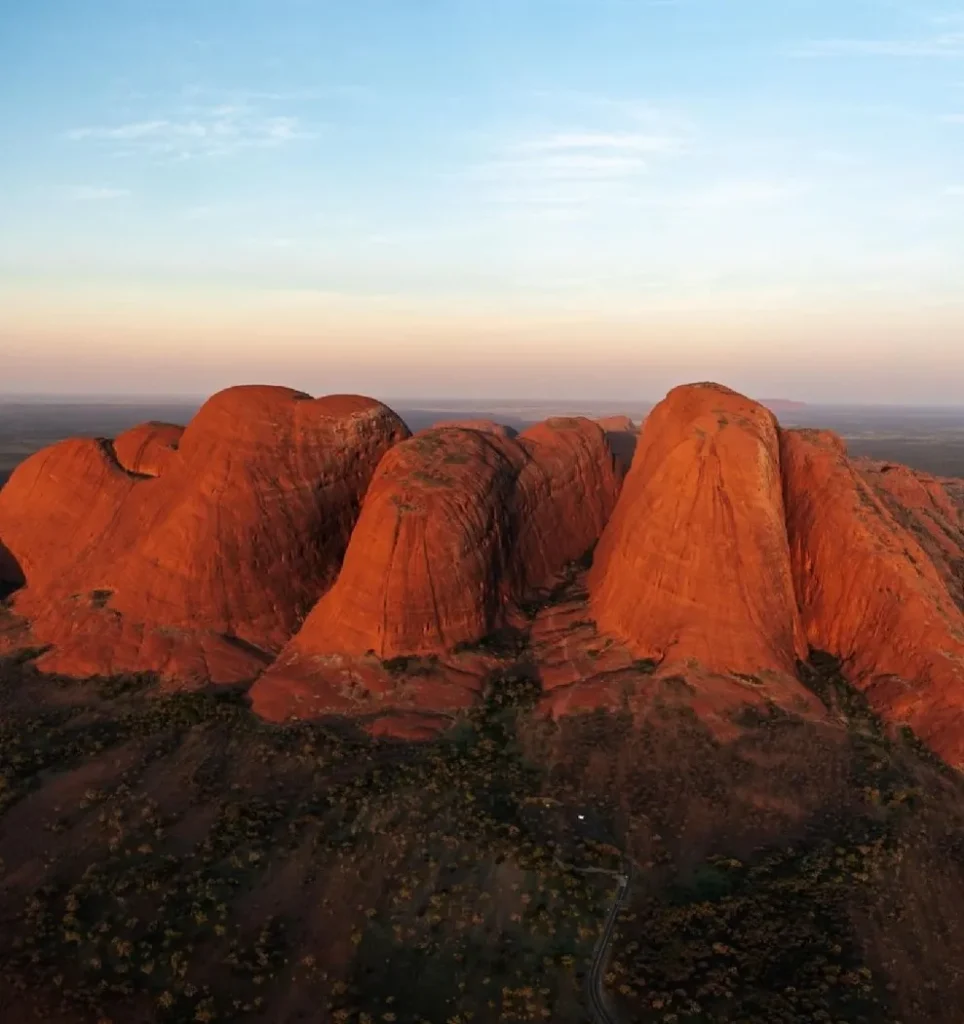
Kata Tjuta: Though overshadowed by its famous neighbour, Kata Tjuta or The Olgas is equally impressive with its conglomerate rock structures. Valley of Winds bestows upon hikers a challenging route amidst enormous domes with stunning outlooks ahead. The natural acoustics in this area, together with the wind’s rustling, create an enchanting backdrop for such an unforgettable walk.
Unique Experiences
But beyond mere physical adventures, there are also lifetime experiences at Uluru that bring visitors into deep relationships with Aboriginal culture and the natural world:
Sounds of Silence Dinner – Imagine having dinner under the stars in the middle of a desert. Sounds of Silence Dinner is an award-winning experience that combines a gourmet bush tucker menu with the beauty of the southern night sky. The evening can, therefore, be informative yet delicious as you enjoy native Australian ingredients while an astronomer navigates through the constellations above.
Scenic Flights – Take to the skies for another view. Both helicopter and hot air balloon flights offer magnificent panoramas over Uluru and Kata Tjuta. From up high, one gets a different sense of scale for both the vast expanses of arid desert and these iconic monolithic formations, revealing their majesty and ruggedness amidst Australia’s outback landscape.
Practical Tips for Visiting Uluru
Visiting Uluru can be such an intense cultural experience, but little practicalities need to be put in place before you begin your road trip Here are some tips you should know so as to ensure smooth journeying:
Respect Local Culture – Remember, Uluru is a sacred land. Visitors should respect local customs and traditions, including photography restrictions and access paths.
Drink Water – During the day it can get very hot while nights can be chilly especially in deserts climate Always carry water, wear sunscreen, dress appropriately to weather conditions.
Pre-book Tours – Due to some sites’ popularity or sacredness, advanced booking is required on some tours/experiences This limits visitor numbers and minimises environmental impact upon cultural sites
Park Fees Check – A pass which allows entrance into Uluru-Kata Tjuta National Park must be purchased online or at park gates These charges help support park management as well as conservation efforts.
Conclusion
Visiting Uluru goes far beyond simply ticking something off a bucket list—it is a true immersion in Australia’s natural and cultural heritage. Every minute in this ancient landscape, from the breathtaking sight of Uluru at sunrise to the spiritual significance of Aboriginal guided tours, resonates with meaning and beauty. Whether you are seeking adventure or a deep communion with Mother Earth and her oldest culture, this journey offers both experiences.
FAQ
What is the best way to learn about the Aboriginal culture while visiting Uluru?
Take part in cultural Uluru Tours 3 days led by local Anangu people who live in this area Such tourism exposes visitors to traditional practices like art making as well as ancient stories related to it.
Can I climb Uluru during my visit?
It is no longer possible to climb up Uluru. Because this site was considered sacred by its indigenous owners their belief systems caused climb closure in 2019.
What should I bring for a day trip to Uluru?
Essential items include water, sun protection (hat, sunscreen, sunglasses), comfortable walking shoes and a camera (but be mindful of restrictions on where you can shoot).
Are there any photography restrictions at Uluru?
Yes, there are places within Uluru where taking photographs is not permitted, particularly around sacred sites. These areas are clearly marked with signs that must be followed.
How can I contribute to Uluru’s endeavours in conservation?
Support Aboriginal businesses, abide by national park regulations, walk on marked trails and remove any evidence that you visited. Purchasing a parking pass also helps finance the preservation and management of the place.