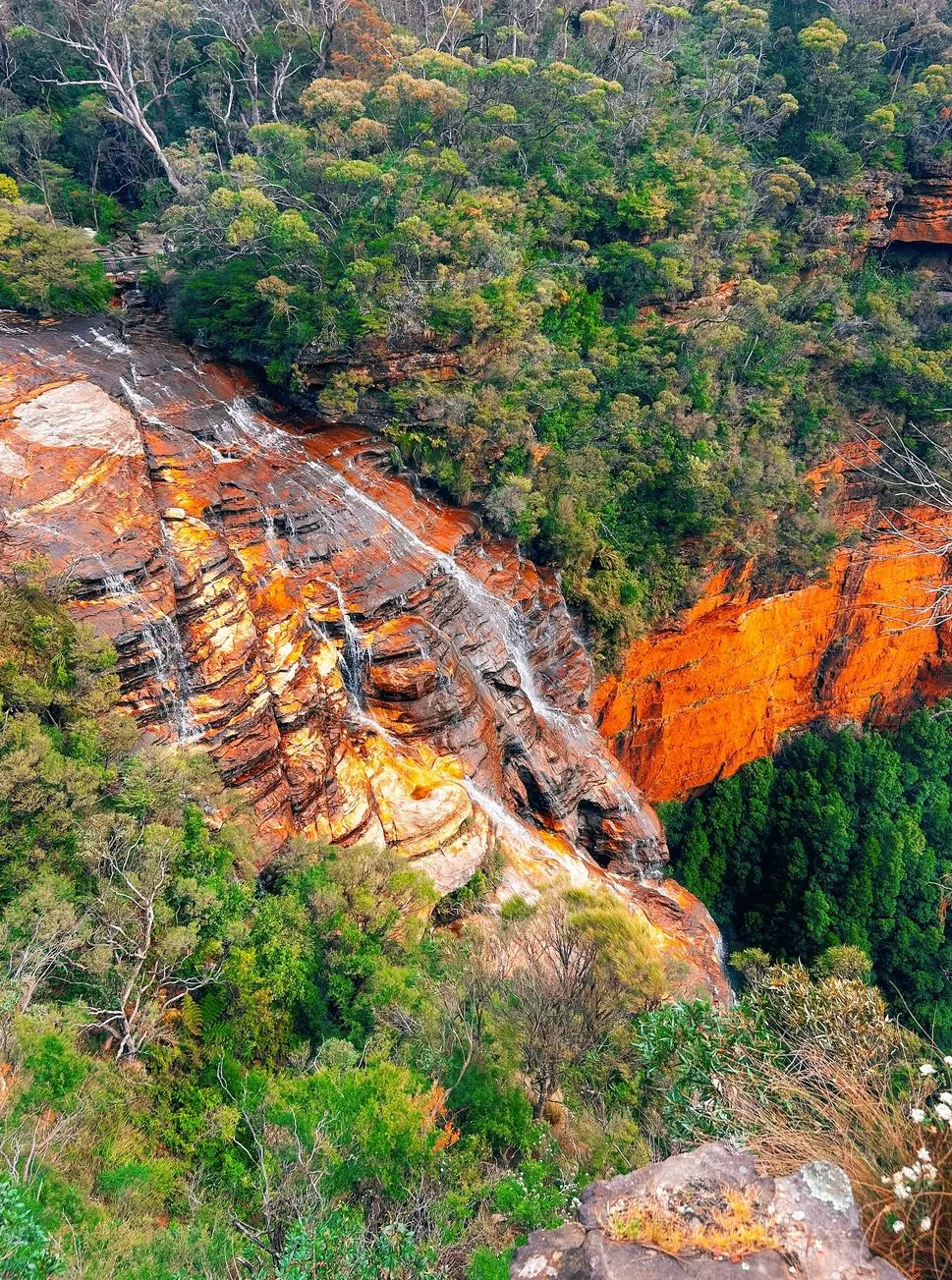
So when people ask “Is it safe to drive to the Blue Mountains?” they really mean what the roads, weather and wildlife are like once you get out of the Sydney city limits. Fair question. This 90-minute drive might be on paper, but it can go from smooth bitumen to fog, fallen branches or road crossings in the blink of an eye.
The Main Roads to the Highlands
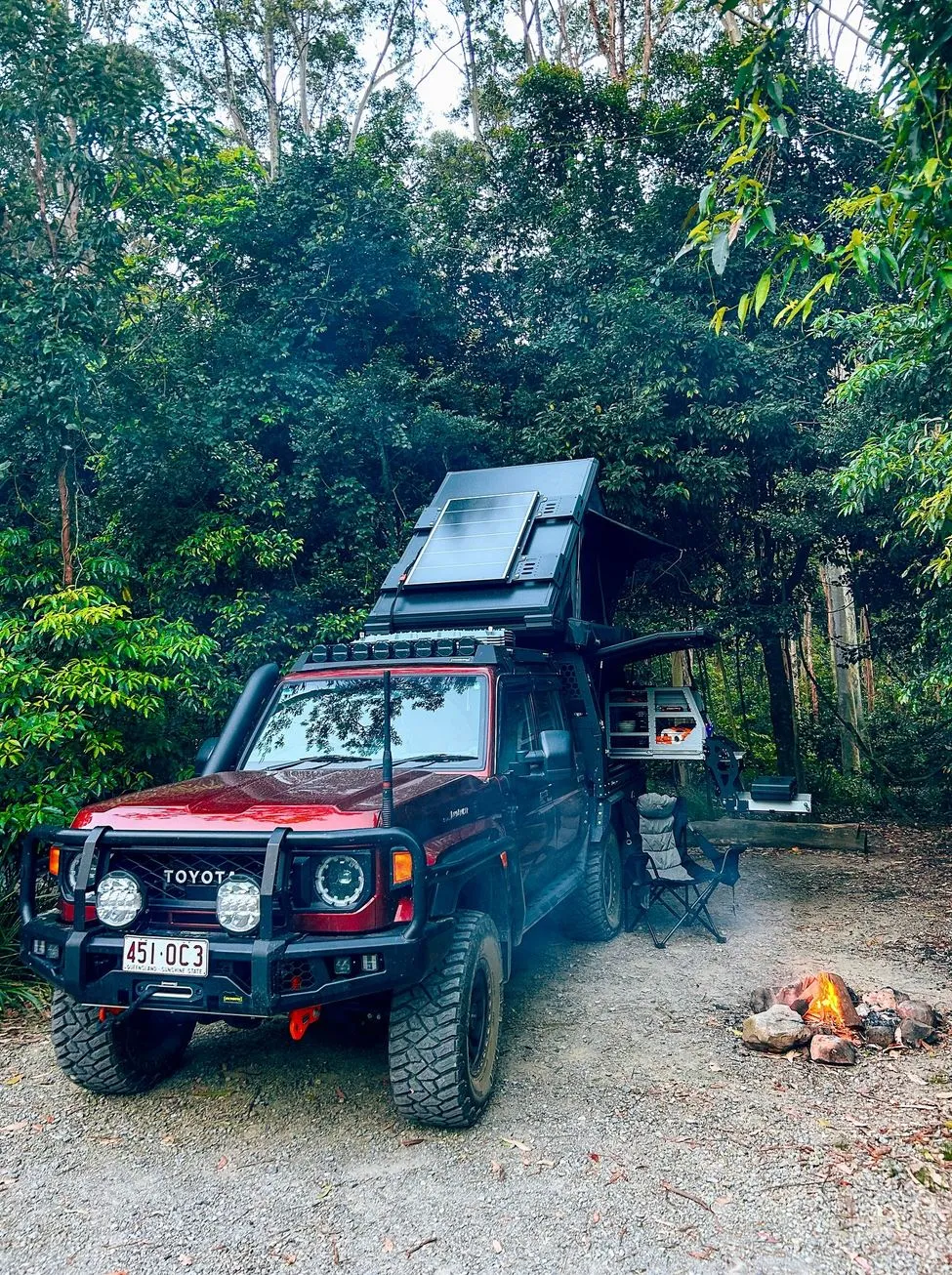
There is more than one way to get to the Blue Mountains National Park, and each road has its own scenery, pace and quirks. The two main roads are the Great Western Highway (A32) and the Bells Line of Road, both part of the Greater Blue Mountains Drive.
The Great Western Highway is the main road from Sydney to Katoomba. It goes through the outer suburbs before winding into the hills. It’s the most direct and safest option, with clear signs, steady traffic and regular service stations.
The Bells Line of Road is the scenic route — narrower, steeper and a motorbike haven. Beautiful, yes, but not ideal for nervous drivers or those towing caravans.
Quick Comparison:
| Route | Distance (Approx.) | Drive Time | Road Type | Recommended For |
|---|---|---|---|---|
| Great Western Highway (A32) | 100 km | 1.5–2 hrs | Dual carriageway, sealed | Most travellers |
| Bells Line of Road | 110 km | 2 hrs | Narrow, winding | Confident drivers, scenic detours |
| Jenolan Caves Road | Variable | 1 hr from Katoomba | Narrow sections closed after rain | Day trippers with caution |
Keep an eye on Live Traffic NSW before heading off. Landslides, fallen branches, and maintenance closures can affect travel — especially after summer storms or winter frost.
How Long The Drive Takes (And When To Go)
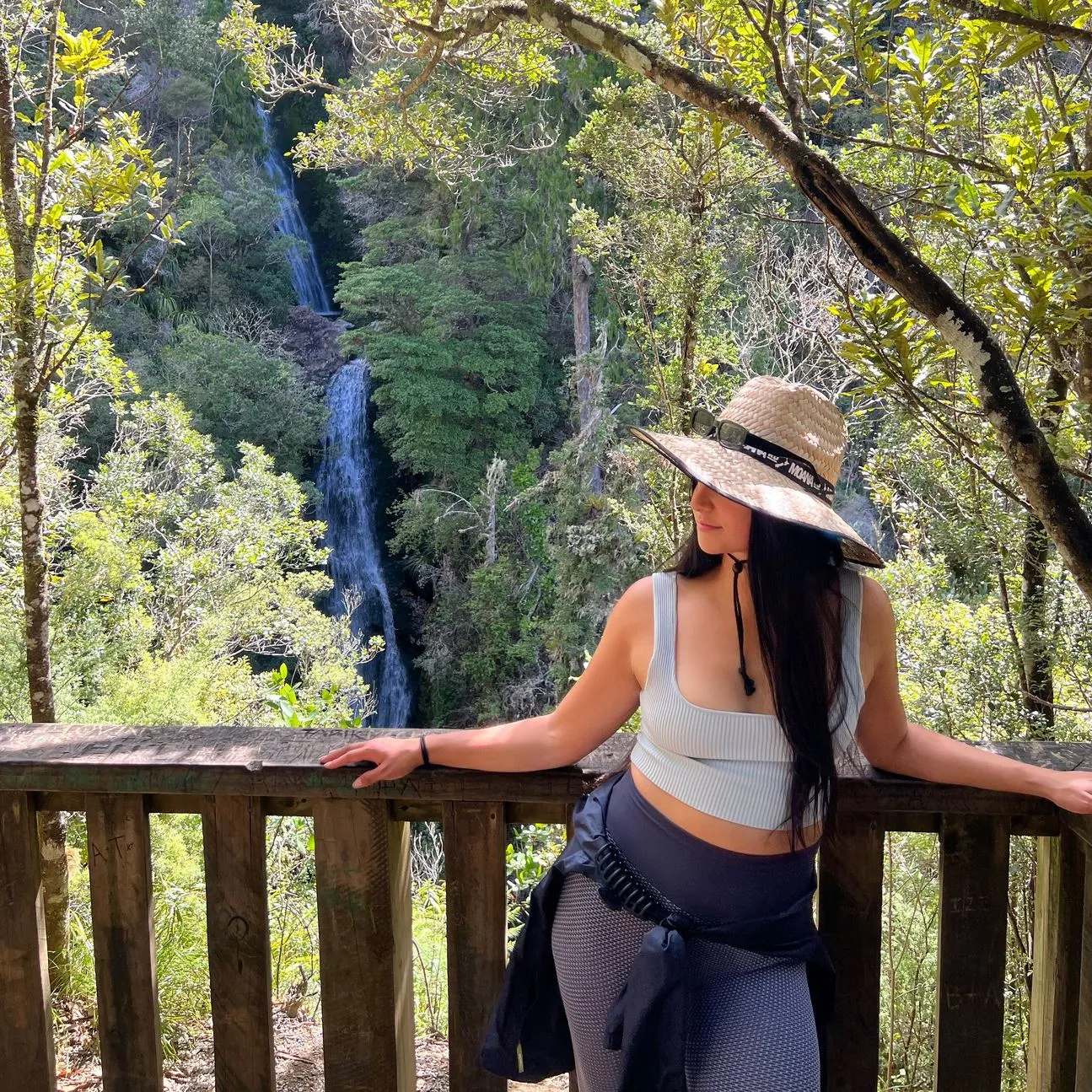
On a clear day, it takes about 90 minutes from Sydney to Katoomba, or slightly longer if you’re heading to areas like Wentworth Falls or Govetts Leap. But time of day, weather and traffic can stretch that to two hours or more.
If you’re heading for Scenic World or a lookout like Eagle Hawk Lookout or Narrowneck Lookout, plan to leave Sydney before 8 am to beat the commuter crush on the M4.
Best Times To Drive:
- Autumn (Mar–May): Clear roads, crisp weather, fewer storms.
- Winter (Jun–Aug): Misty mornings — keep your windscreen wipers in good shape.
- Spring (Sep–Nov): Waterfalls roaring, wildflowers blooming.
- Summer (Dec–Feb): More daylight hours, but higher fire danger — check the NSW National Parks fire safety page before you go.
If frost is forecast, an ice scraper and decent tyres will make all the difference when you hit those shaded bends near Leura and Medlow Bath.
Road Safety Facts And Conditions
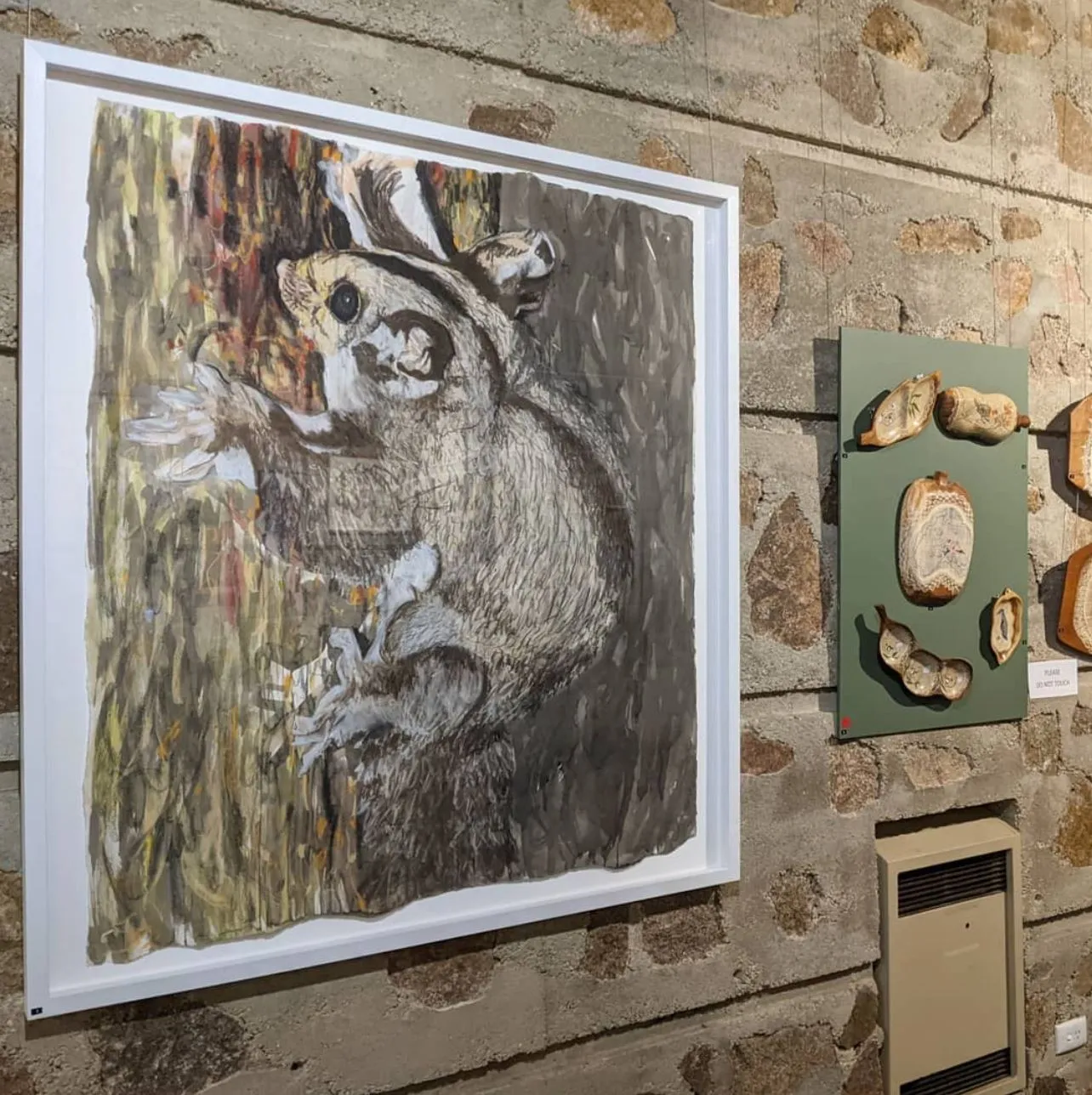
According to Transport for NSW, 70% of Blue Mountains road incidents occur on weekends, often involving fatigue or speeding. The Blue Mountains Heritage Centre at Blackheath has great local info on track and road conditions.
Key road safety factors:
- Fog and low visibility: Common between Wentworth Falls and Mount Victoria.
- Rain and black ice: Watch for slippery bends, especially at higher elevations.
- Steep descents: Use low gear on the Great Western Highway; don’t brake hard.
- Wildlife crossings: Kangaroos and wombats are out after dark.
Quick Safety Snapshot:
| Factor | Risk Level | Paul’s Tip |
|---|---|---|
| Fog (esp. winter mornings) | High | Use low beams, not high beams |
| Wildlife on the road | Moderate | Dusk and dawn are roo o’clock |
| Truck traffic | Moderate | Keep a steady line — avoid tailgating |
| Black ice | Low–moderate | Common near Wentworth Falls |
| Bushfire smoke | Seasonal | Check NSW RFS and National Parks alerts |
Wildlife, Trucks, And Other Hazards
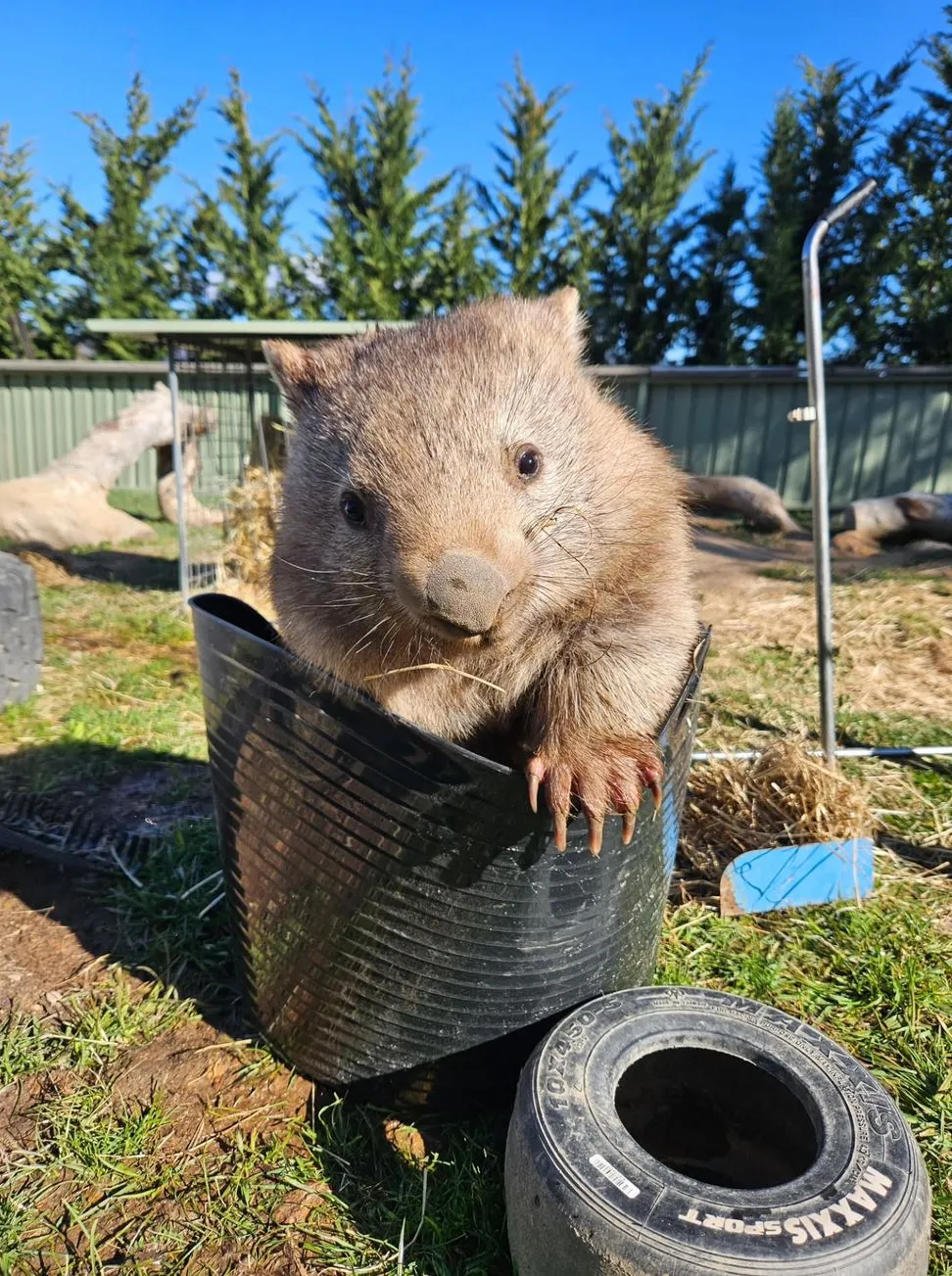
Out here, the road isn’t just a collection of bends – it’s the whole shebang – wildlife, trucks and all sorts of hazards. Kangaroos, wombats and lyrebirds just don’t read road signs. And if you’re driving at all around dusk or dawn, these are prime times for collisions, especially near Blackheath and the Capertee River crossings.
Some hazards you really need to plan for:
- Wombats: They can look a bit like bowling balls on legs – avoid driving at night if you can.
- Road trains: Give these blokes plenty of room – it takes ’em a fair old while to slow down from 100.
- Bushfires: From late spring right through to early autumn, keep an eye on the NSW National Parks and Wildlife Service fire ban notices.
- Cyclists and hikers: You’ll find your fair share of these near Wentworth Falls, the Discovery Trails, and the Blue Mountains Botanic Garden, Mount Tomah.
When I used to lead tours up here, we’d always have a little chat with the group before we left: “It’s not about how fast you get there – it’s about how many roos you manage to avoid along the way”.
Driving At Night
Short answer: possible, but not exactly a good idea. Fog can thicken up pretty fast after dark, and you’ve got to share the road with nocturnal wildlife, too. Before you know it, visibility can go from good to pretty much zero, and even the locals will ease off the accelerator.
If you do have to drive at night, though, you might want to stick to the Great Western Highway and give the Bells Line of Road a miss.
Drive a bit slower than you normally would and make sure your headlights are working properly before you set off.
- Pack an emergency kit, some booster cables, and a flashlight too – breaking down at 1,000 metres altitude is the last thing you need.
- Keep an ear on the radio for any updates on fire danger or road closures.
- Night drives can actually be pretty rewarding, though – On a clear winter’s evening, find yourself a safe spot at a lookout and you’ll get a view of the Milky Way that’s just as good as it gets.
Alternative Transport Options
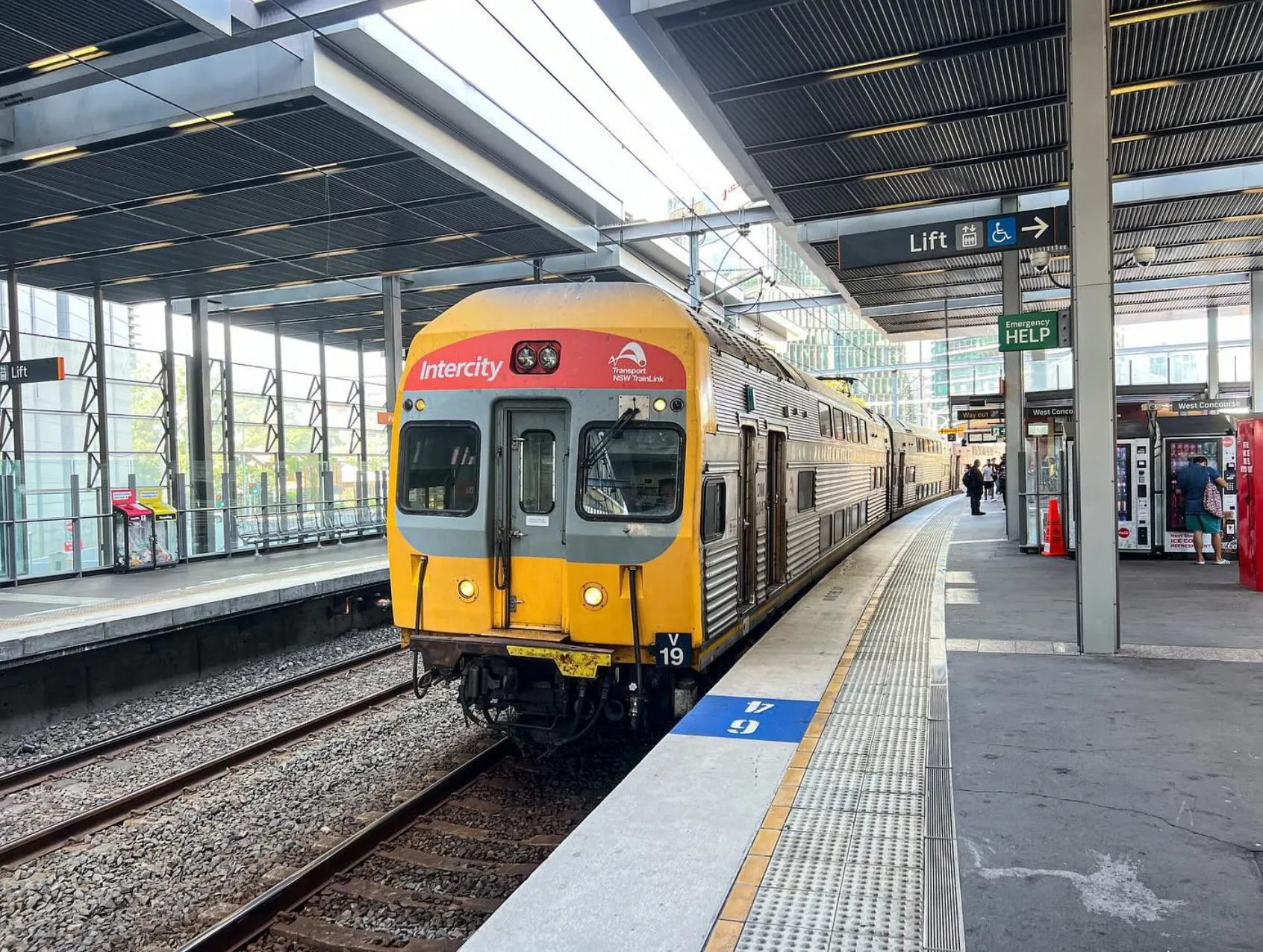
If you’d rather miss the driving, there are several easy ways to explore the region by public transport or on a guided tour. No need to worry about getting lost, they’ve got you covered.
By Train:
- The Blue Mountains Line chugs out of Sydney’s Central Station every hour.
- Use your Opal card, it’ll get you all the way to Katoomba
- The journey takes around two hours and 15 minutes.
- The line is accessible – most stations have wheelchair-friendly platforms.
By Tour:
Prefer someone else to handle the twists and turns of the Blue Mountains? We’ve got 1 Day Blue Mountains Tours that cover all the best bits – from Scenic World to the Three Sisters, Govetts Leap and a detour to the Blue Mountains Botanic Garden, Mount Tomah. Our small-group adventures are designed for people who want the full experience without driving stress.
By Bike Or Local Bus:
If you prefer to ride a bike, the trails between Leura, Blackheath and Wentworth Falls in NSW National Parks are great for it – just be sure to check the fire trails and local park alerts before setting out, though.
Essential Travel Checklist
Whether you’re on a day trip or a weekend getaway, a bit of prep goes a long way.
Before You Go:
- Check the Live Traffic NSW, RFS and NSW National Parks websites for any alerts.
- Top up your petrol before you leave – stations are few and far between past Springwood.
- Pack a warm jacket or two – the temps can drop fast in the mountains.
- Bring water and snacks – and a reliable phone charger that won’t run out of juice.
- Give your car a quick once-over to make sure everything is in working order – tyre treads, windscreen wipers, the lot.
- Keep a basic emergency kit, including jumper leads and a first-aid kit, handy.
- Respect the park’s plan of management – no taking your pets into protected areas.
Some Extra Tips From People Who Know:
- Avoid driving home on a Sunday arvo – traffic can be a nightmare past Warragamba Catchment.
- Don’t put too much faith in your GPS – I’ve seen it send people the long way round through Yerranderie Regional Park instead of Katoomba!
- If there’s a fire trail warning, don’t take the risk unless you’re supposed to be there.
FAQ
Do You Need A 4WD To Drive To The Blue Mountains?
No, the main roads like the Great Western Highway and Bells Line of Road are all sealed and suitable for standard vehicles.
Are There Any Tolls On The Way To The Blue Mountains?
Yes, there’s an electronic toll on the M4 near Parramatta. Make sure your e-tag is working.
What’s The Safest Time Of Day To Drive?
Either morning or early arvo is best – a bit less fog, less wildlife and fewer trucks on the road.
Can You Drive To The Blue Mountains During A Fire Ban?
Yes, but always check the fire safety page on the NSW National Parks and Wildlife Service website before heading into bushland.
Is Parking Safe Around Katoomba And Leura?
Yes – stick to the public car parks near Scenic World or Leura Village. Most of them are patrolled and wheelchair-accessible.