“Can you see the Great Barrier Reef in winter?”It’s a question at the top of a lot of travellers’ minds months before they arrive in Cairns, normally while they’re over in the southern states, shivering through a chilly July and dreaming of a tropical getaway. Winter in the north lines up pretty nicely with the Reef’s dry season – clear water, calm winds and all the marine life going about its business without a care in the world. Honestly, it’s one of the best times to get out on the Reef, whether you’re snorkelling, cruising on a glass-bottom boat, or going for a full-on scuba diving.
I’ve spent years showing visitors around from Palm Cove to Port Douglas Marina, out across the Coral Sea to the Ribbon Reefs and Coral Gardens – and I can tell you that Winter is a real winner. It’s reliable, colourful, full of wildlife, and a lot easier on anyone who doesn’t want to get bounced around in choppy water or be sweating into their stinger suit.
The Dry Season Has Its Perks
Winter might be the quiet achiever of the Reef season, but it’s a real game-changer for anyone who’s not a fan of the tropical monsoon weather that comes with the summer months. The rain showers back off, the south-easterly trade winds die down, and even the most seasick-prone travellers can enjoy the crossing out to the Outer Reef Pontoon.
The tropical climate shifts into crisp mornings, warm days, and that lovely light sea breeze you want when you’re getting ready to jump off the pontoon or take the plunge in the Coral Sea. And – as if that wasn’t enough – the dry season means less sediment gets washed into the water from the mainland, which is great news for your underwater visibility – you can see juvenile fish schooling up, or manta rays gliding in from deeper water.
The Lowdown On Winter
- Smooth water crossings all round
- Less rain means crystal clear visibility
- No need to worry about stinger season (the risk of a box jellyfish or irukandji sting drops sharply)
- Perfect time for whale watching
- Those surface intervals feel really comfortable – no more sweaty stinger suits!
Average Winter Conditions (Tropical North Queensland)
| Factor | Usual Range | Why It Matters |
|---|---|---|
| Water temperature (sea temperatures) | 22–24°C | Warm enough to snorkel, cool enough for coral health |
| Air temperatures | 17–26°C | Great boating weather without the humidity |
| Wind | Light–moderate | Smaller waves, fewer cancellations |
| Rainfall | Low | Better visibility, safer reef structures |
What You’ll Actually See When You Dive Down
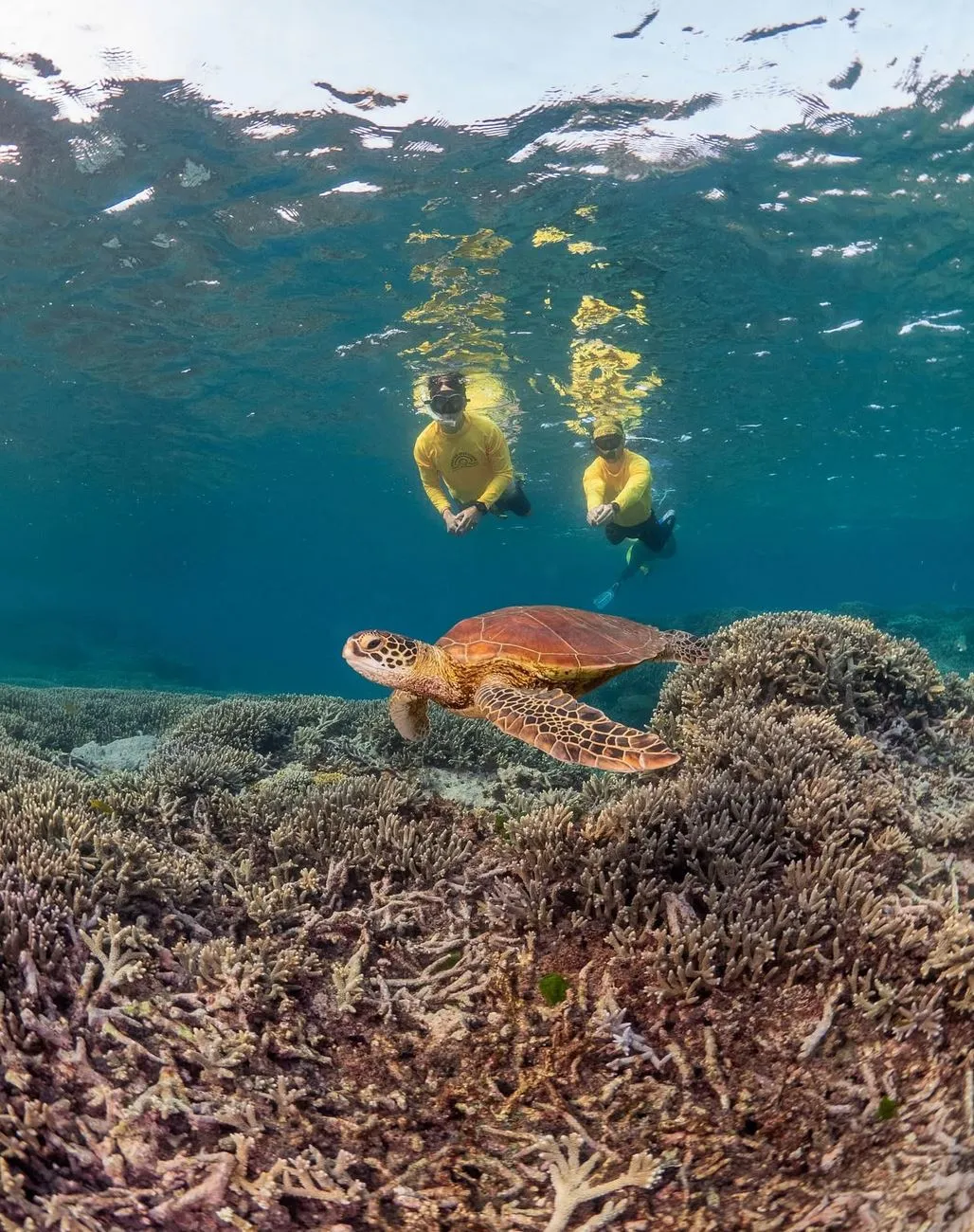
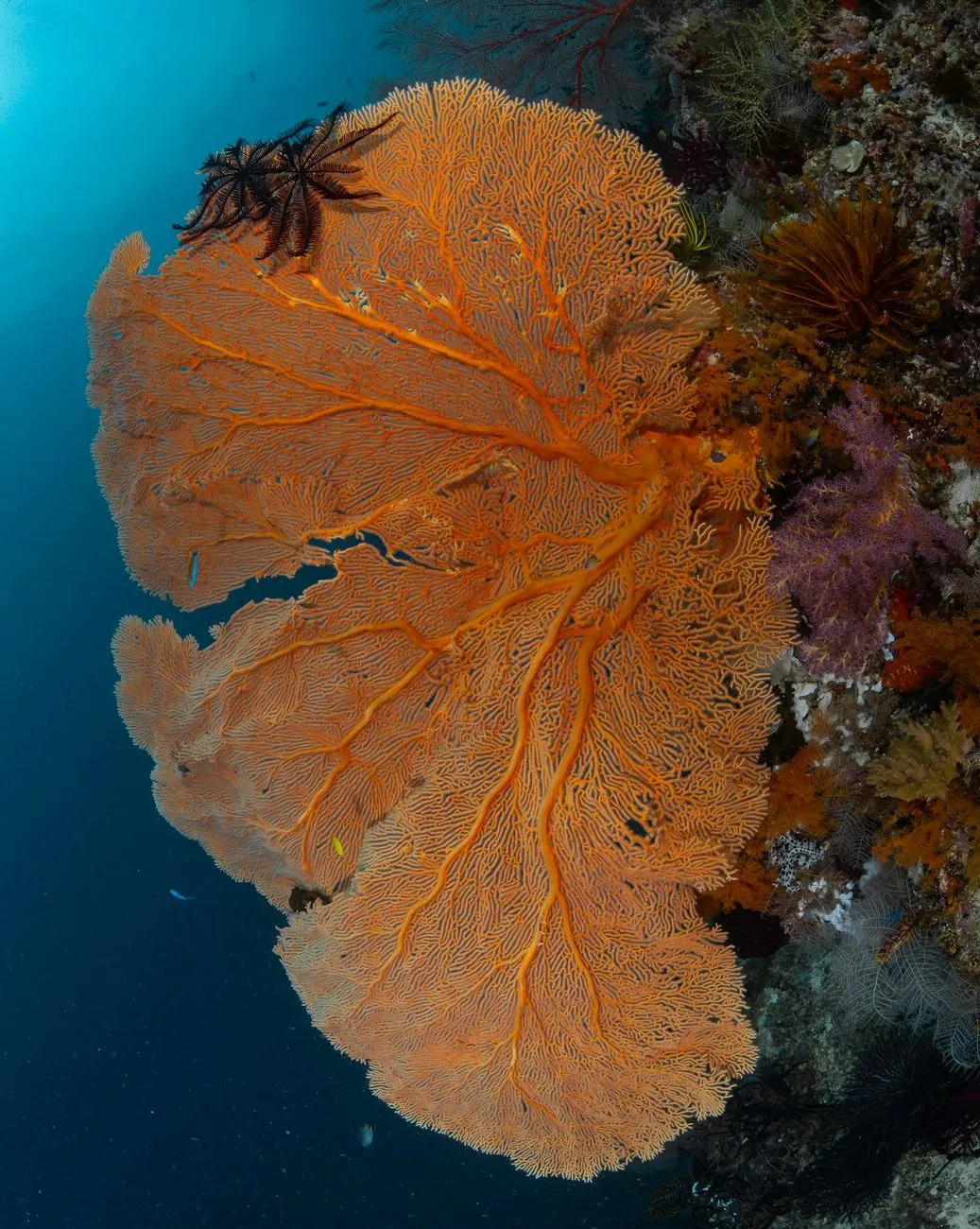
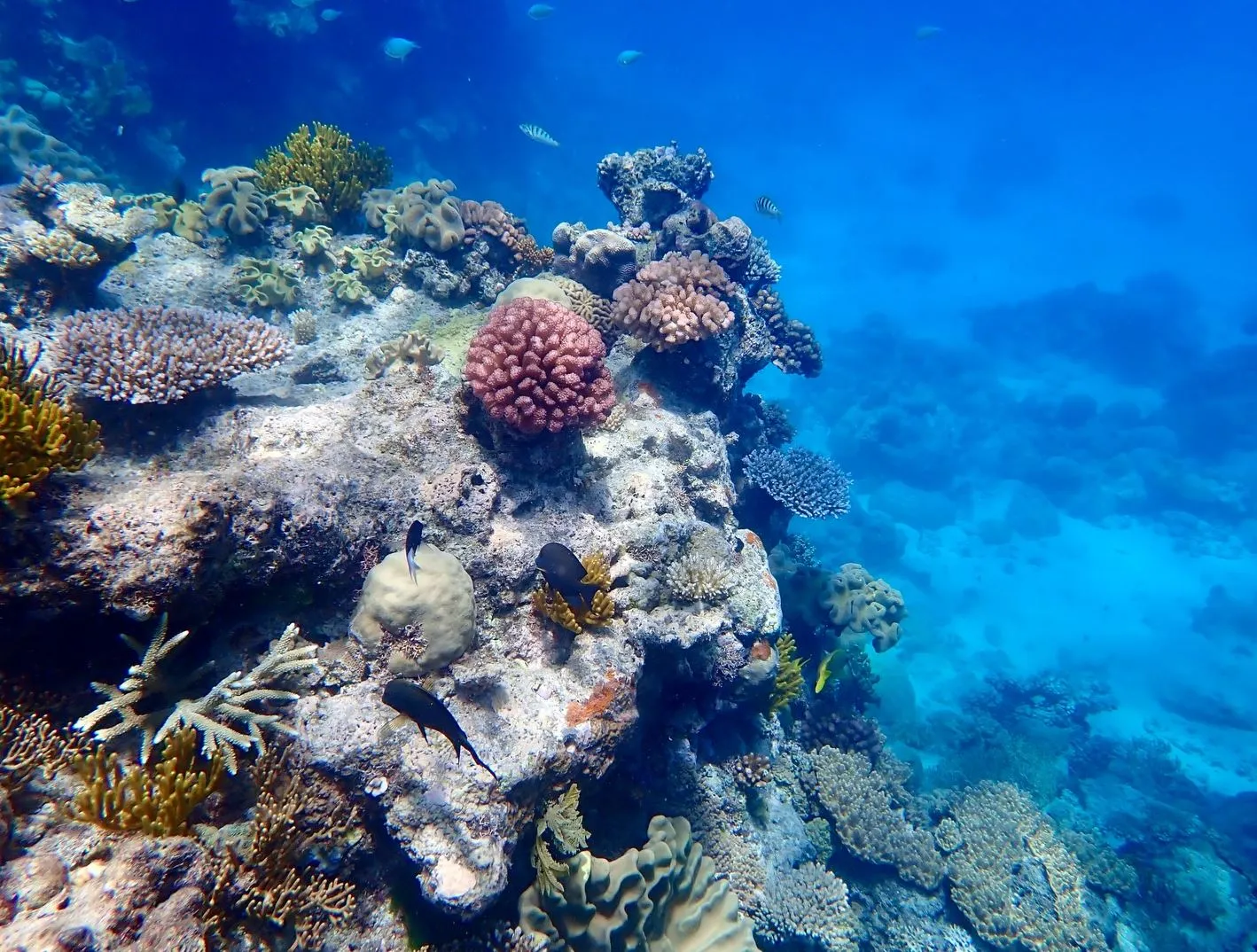
Winter isn’t the time you associate with an underwater blankness – far from it. Drop down into the Coral Gardens, and you’ll be thrown straight into a whirl of marine life: green and hawksbill turtles cruising lazily by, reef sharks patrolling the drop-offs like sentinels, and schools of tiny fish dancing through coral formations.
You can see even the coral polyps in all their delicate beauty in the clearer winter light. Suppose the moon is full and you’re lucky. In that case, you might even get to hear your marine biologist guide going on about coral spawning patterns (their peak usually happens in summer, but the visibility in winter lets you see the reefs in a whole new way).
Typical Winter Marine Life Encounters
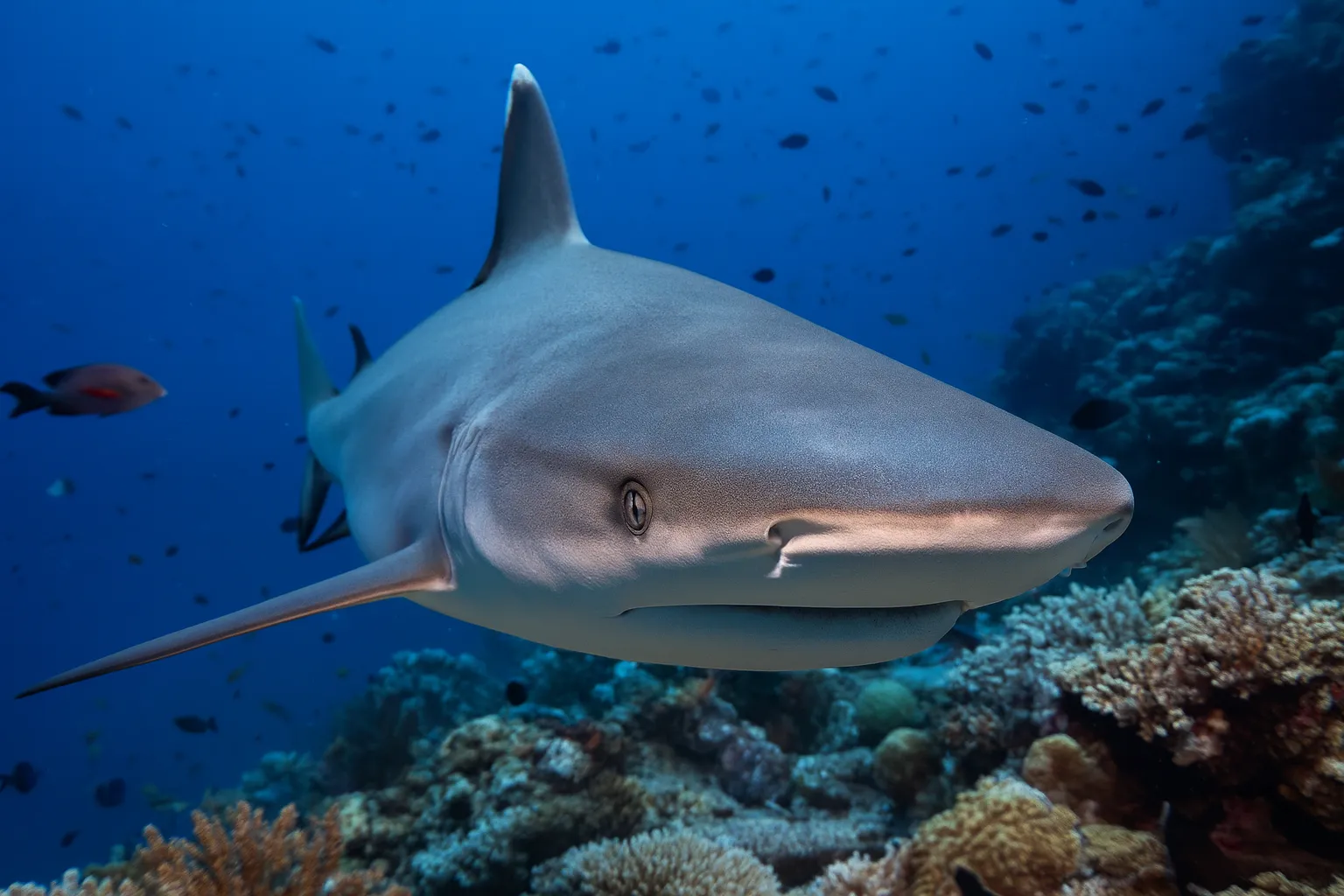
- Green and Hawksbill turtles cruising about
- Reef sharks gliding effortlessly through the bommies
- Parrotfish, anemonefish and schools of tiny fish darting through the coral
- Manta rays hanging out on the deeper ledges
- The occasional crown-of-thorns starfish spotted during reef monitoring efforts
- Migratory species migrating along the continental shelf
When you head out to the Great Barrier Reef from Cairns, Port Douglas, Lizard Island, or even Hamilton Island, be prepared for a whole lot of colour and movement down below. Winter turns the Coral Sea into a slow-moving wildlife carnival.
Winter Diving Conditions — Calm, Clear, Comfortable
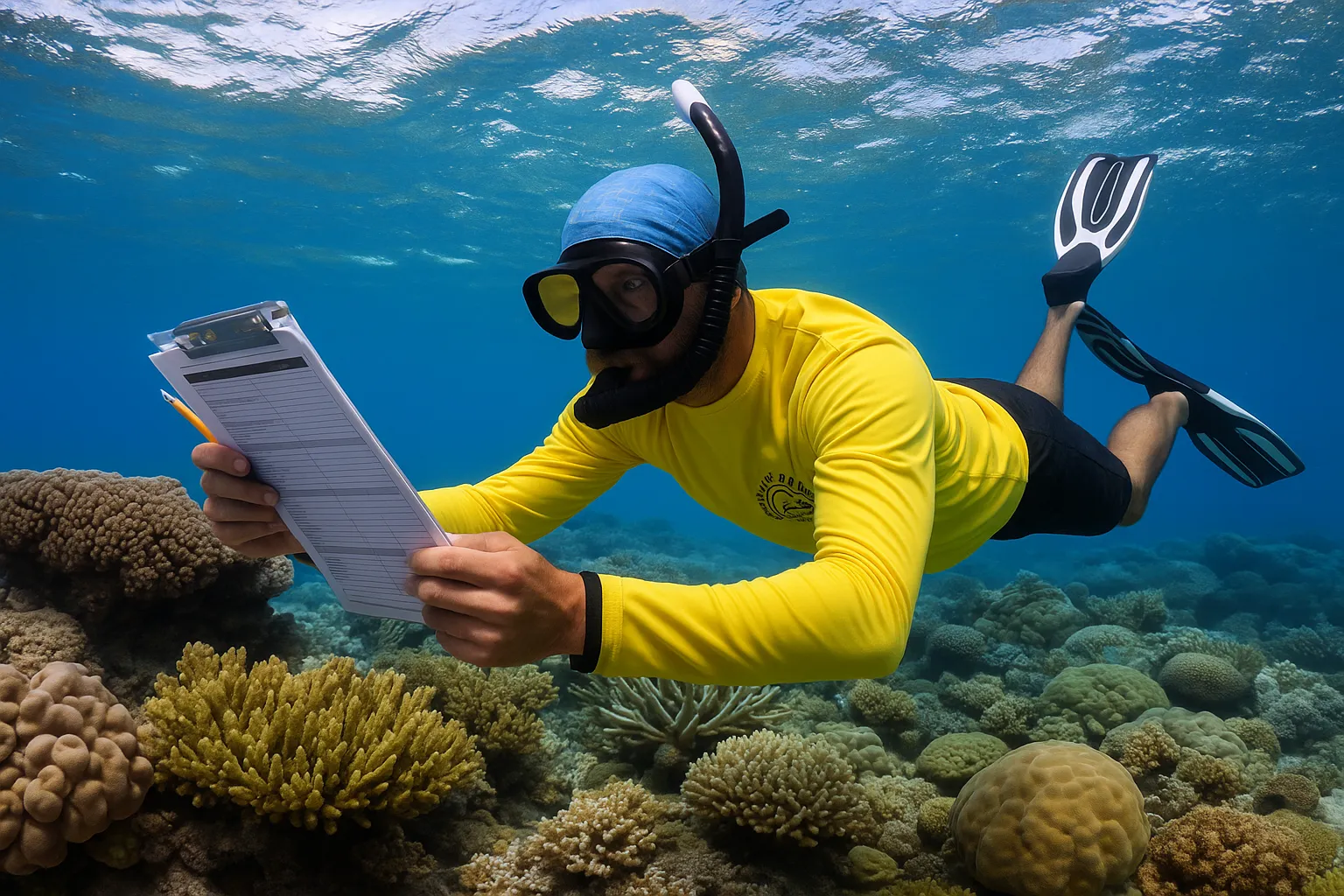
Divers love winter for one reason above all: the visibility is just so much better. On a good day out at the Ribbon Reefs or Port Douglas’ Outer Reef sites, you can get 20-30 metres of clarity, sometimes even better. It’s the perfect blend of water temperature, weather and light conditions.
This is the prime time for:
- Doing a PADI diving course (a great way to get started)
- Intro scuba diving tours with a guide (which takes the stress out of it)
- Liveaboard dive boats like ProDive Cairns (where you can dive to your heart’s content)
- Deeper reef wall dives (for the more experienced)
- Drift dives along the coral formations (for the thrill-seekers)
Winter’s also the most comfortable time to go scuba diving in Queensland. The surface is nice and cool, the boat decks aren’t scorching hot, and your wetsuit feels like an extra layer of comfort instead of a sweat trap.
Why Divers Think Winter is the Best
- The visibility is consistent
- Currents are gentle
- There’s less plankton around to muck up the water
- Fewer disruptions from cyclones
- Calm conditions that are perfect for beginners and seasoned pros alike
If you’re nervous about diving, winter’s the season when the Reef looks after you. Even the seasoned Master Reef Guides treat winter as the prime time to go.
The Winter Wildlife Spectacle
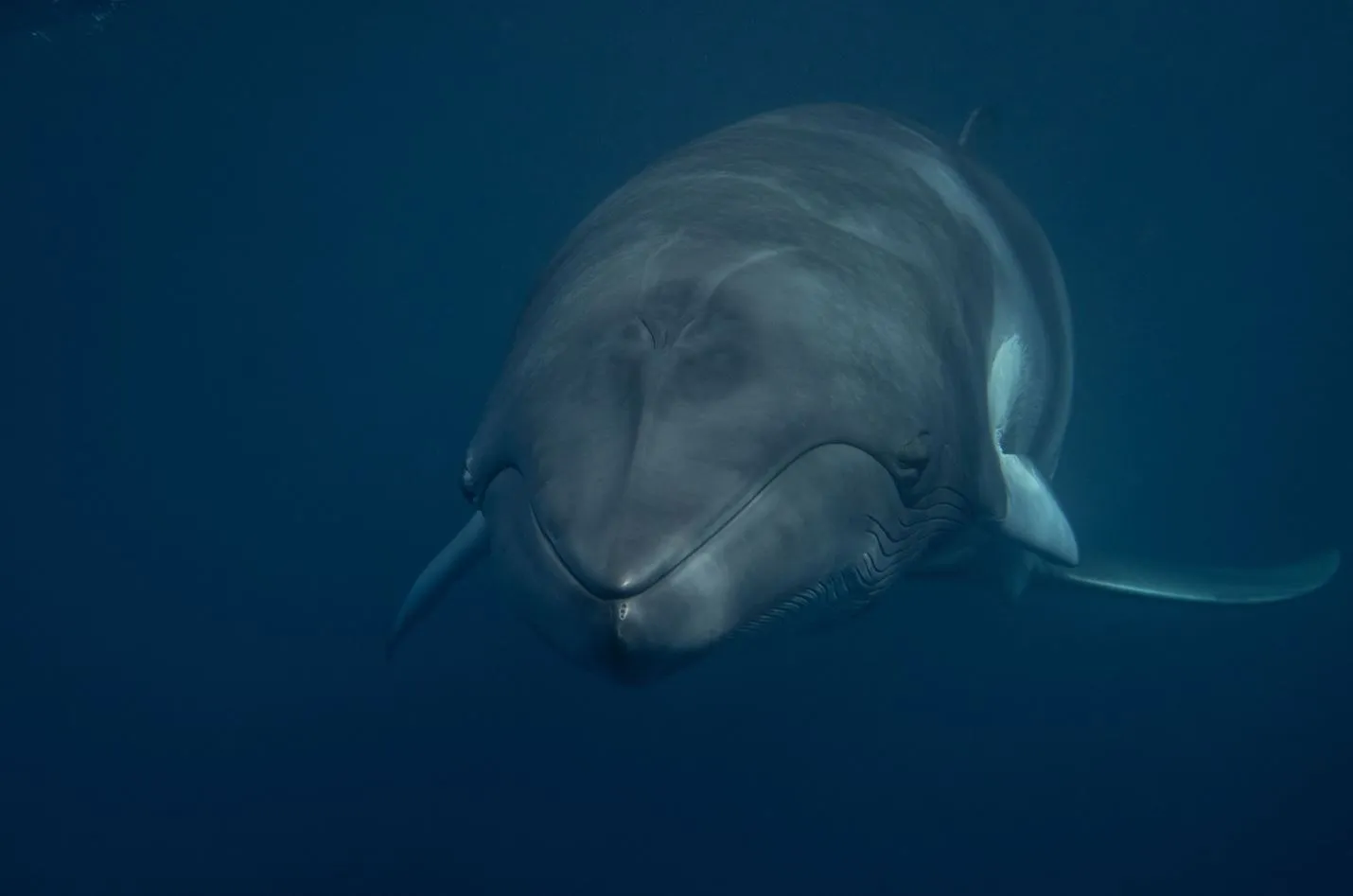
Minke Whales (June-July)
North Queensland’s Ribbon Reefs are famous for dwarf Minke Whales. These curious creatures often come right up to divers, circling the boats and hanging around for a while, as if checking your diving certification.
Many whale-watching tours offer exceptional Minke whale experiences, guided by researchers and marine biologists who study the whales’ behaviour every winter.
Humpback Whale Season (June to October)
Humpback whales don’t just migrate past the Reef in massive numbers – they practically parade through the Coral Sea by July, putting on a show of breaching and fin slapping giants. Whether you’re taking a scenic flight, a semi-sub tour or just a glass-bottom boat trip, you’ll hear those humpbacks before you see them – big, resonant calls that seem to vibrate through the hull like some distant didgeridoo.
Other Winter Highlights
- Manta rays are swarming to deeper channels to feed
- Marine turtles cruising through cleaner waters
- Reef sharks are definitely more active when the water’s cooler
- Young fish tend to stack up around the bommies
- And of course, the Great Eight marine animals are pretty easy to spot
For all you wildlife enthusiasts out there, winter is basically the Reef in full swing.
Winter Weather — What You’ll Feel On Land
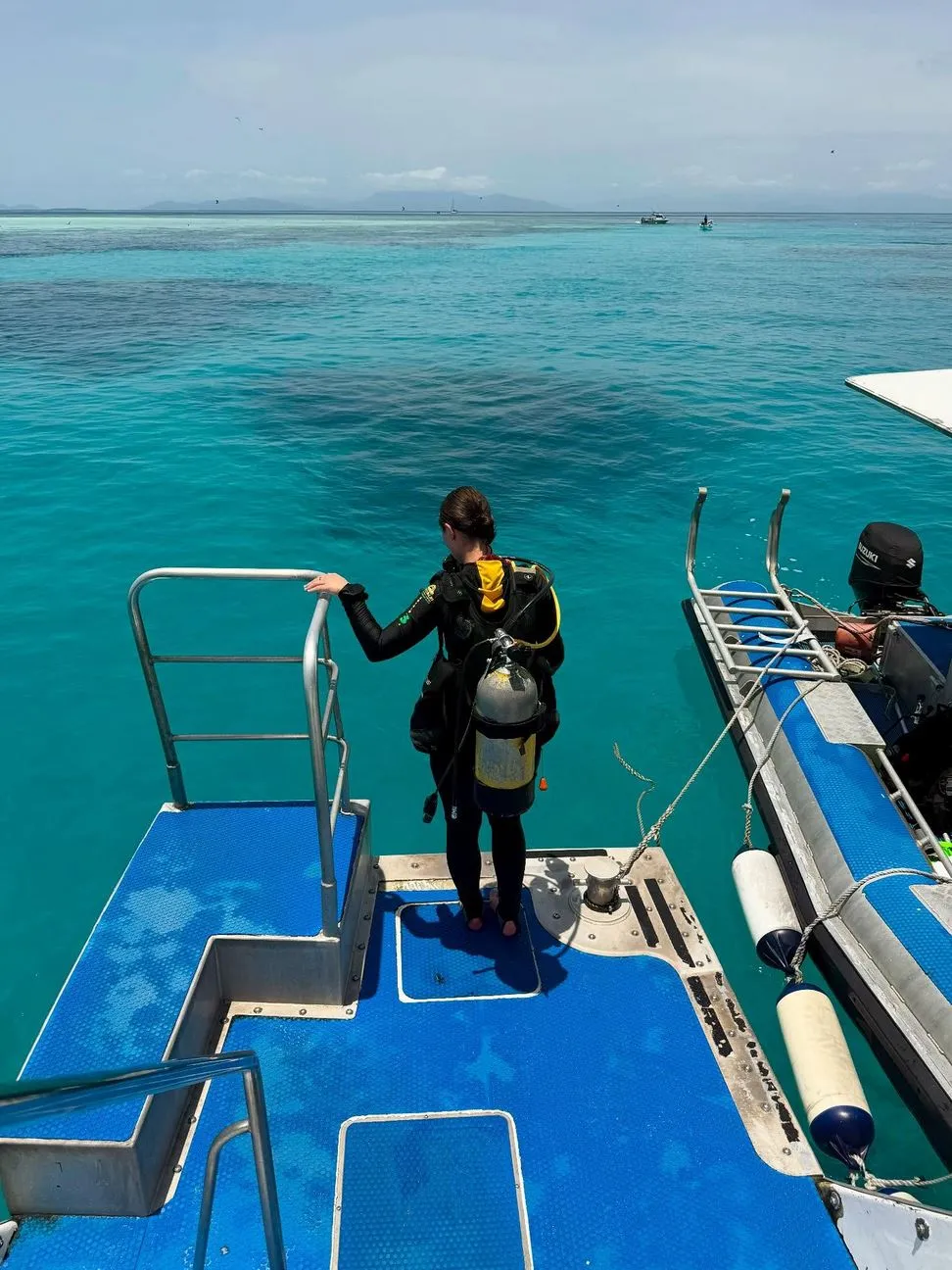
Cos, don’t even think about frostbite – this is Tropical North Queensland we’re talking about. Winter means sunshine, cool breezes and the kind of weather that lets you get out there and enjoy everything from Palm Cove beach cafés to Lizard Island hikes without feeling like you’ve been stuck in a steam room.
You can expect:
- Cool mornings on the boat, nice and crisp
- Warm, dry afternoons that are perfect for grabbing a cold one and chowing down
- Calm evenings that are just begging to be spent with a cold drink and a feed\
- Zero-humidity headaches
- And of course, if you’re planning a trip during the Australian school holidays, be sure to book early – winter is peak season in Cairns, Port Douglas and Hamilton Island.
Local Travel Hacks – How To Plan Smart
After years of running Reef tours and watching all sorts of tourists make the same rookie mistakes, here are the things that actually make a difference.
- Book That Outer Reef Trip First
The weather might be a bit more reliable in winter, but it’s still smart to have a few backup days up your sleeve. - Bring A Light Jacket
Those winds can be a real chill in the early morning - Opt For A Morning Departure
You’ll get better visibility, smoother seas and – of course – the best chance to see all that amazing wildlife - Wear That Stinger Suit If It’s On Offer
Stinger season might be over for the summer, but it’ll still keep you warm and add some extra sun protection for your shoulders. - Use Your Reef-Safe Sunscreen
Don’t just look after your own skin – protect that World Heritage Reef too - Consider A Helicopter Ride Or Scenic Flight
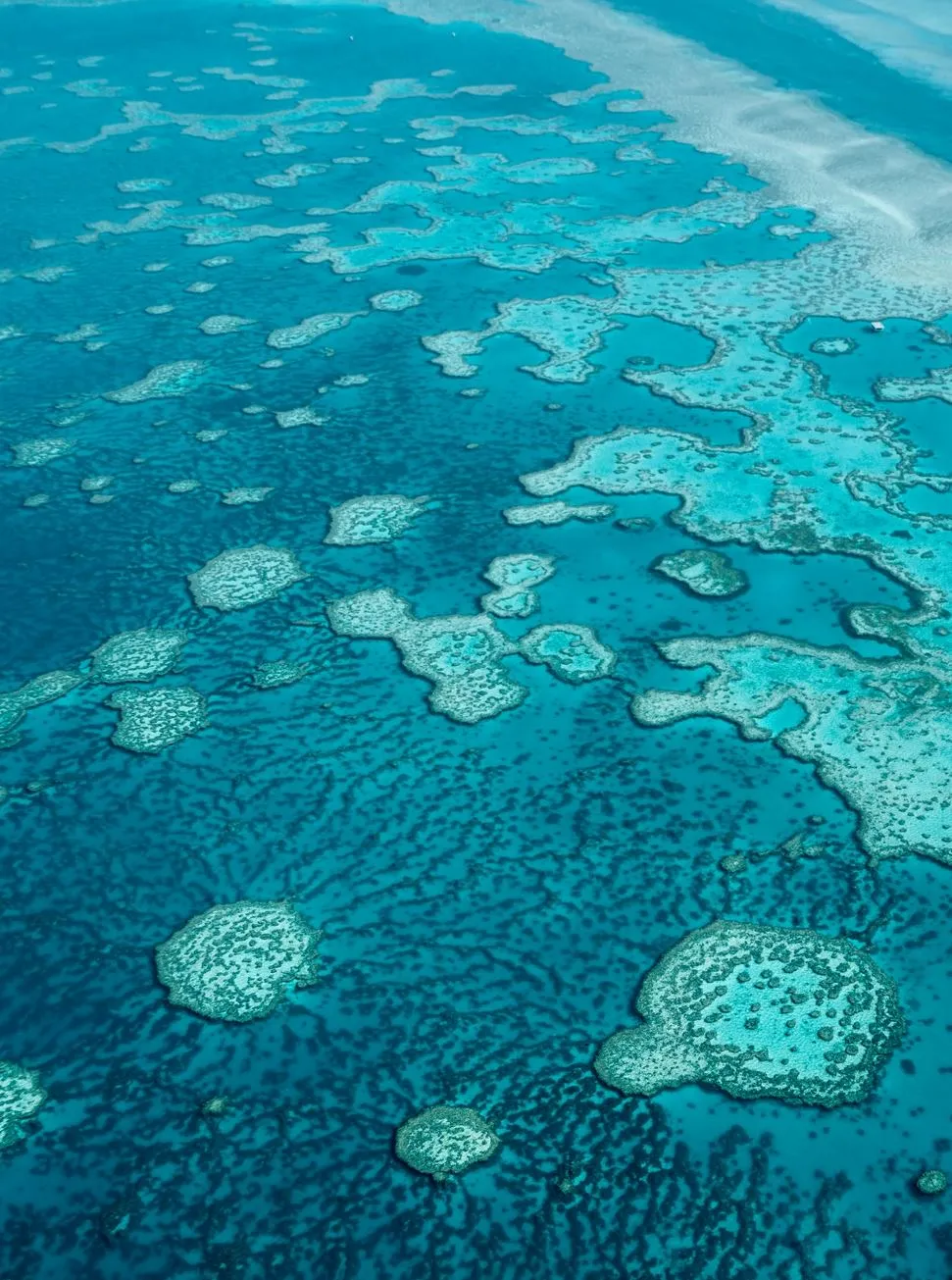
The winter skies are clear as a bell – perfect for spotting all the reef structures from above - Look Into Liveaboard Options
Winter is the perfect time to take it easy and do some multi-day diving, especially out around the Ribbon Reefs.
Winter Reef Checklist
- Reef-safe sunscreen, of course
- A light jacket for when the breeze picks up
- A 3mm wetsuit if you’re a bit chilly
- A dry bag and some polarised sunnies (you don’t want to miss out on the marine life)
- A reusable water bottle (the planet will thank you)
- A camera for all those extraordinary marine life encounters
- Some seasickness tablets if you’re not sure how you’ll go
- A light long-sleeve shirt for when the sun comes out (it will)
- A waterproof phone pouch (you don’t want to lose all those amazing photos)
- A dry bag for the boat (you never know when you’ll need to stash something)
- Some snacks if you’re a bit of a picky eater (boat lunches vary)
If you’re heading up with Great Barrier Reef Tours, check that your operator is following some Traditional Owner guidance for your snorkelling spots. Some do – especially around Wunyami and Yirrganydji Country – and it’s good practice to be a bit croc-wise and culturally aware.
FAQ
Is winter a good time to see the Great Barrier Reef?
Absolutely – clear water, calm seas and whales galore (Minke and Humpback that is).
Will it be too cold to snorkel?
Not really – 22-24°C is nothing to worry about, and a wetsuit will keep you toasty.
Do I still need a stinger suit in winter?
The risk of Box Jellyfish and Irukandji jellyfish is minimal, but many operators provide suits for warmth and safety.
Can I scuba dive in winter?
Winter is one of the best dive seasons — excellent visibility, gentle currents, and plenty of marine life.
Are reef tours busy in winter?
Yes, especially around school holidays. Book Cairns, Palm Cove, and Port Douglas departures early.